 |
 |
 |
||
 |
 |
|
 |
||
 |
 |
 |
 |
||
 |
 |
 |
 |
 |
||||
|
||||



 |
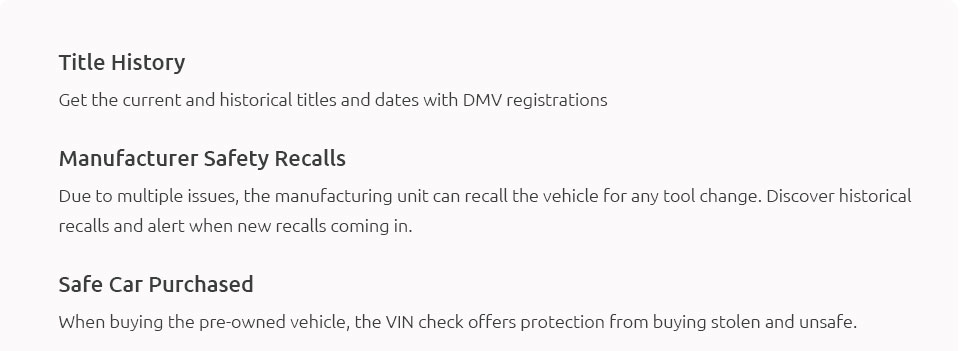
Understanding VIN Number Lookup in Texas: An Expert GuideWhen it comes to buying a vehicle in Texas, whether new or used, the importance of performing a VIN number lookup cannot be overstated. The Vehicle Identification Number, or VIN, is more than just a string of characters-it’s the DNA of the vehicle, offering a wealth of information about its history, specifications, and legality. In this comprehensive guide, we delve into why a VIN lookup is crucial, especially in the Lone Star State, and how to effectively navigate this process. Firstly, let’s demystify what a VIN is. A VIN is a unique 17-character code that acts as the vehicle's fingerprint. It reveals details such as the make, model, year of manufacture, and even the plant where the vehicle was assembled. More critically, a VIN lookup can unveil the vehicle’s hidden past, including its accident history, title status, odometer readings, and any recalls issued by the manufacturer. Such insights are invaluable, particularly for potential buyers seeking to avoid lemons and ensure that the vehicle they're interested in is worth the investment. So, how does one go about performing a VIN lookup in Texas? There are several methods available, each with its own advantages. Online platforms like the National Motor Vehicle Title Information System (NMVTIS) offer reliable and up-to-date information. This government-backed database provides essential data on the vehicle’s title, brand history, and odometer reading, helping consumers make informed decisions. Additionally, numerous private services offer VIN checks, often providing more detailed reports including accident history and previous owner information. However, it’s important to ensure that these services are reputable and accredited. Furthermore, the Texas Department of Motor Vehicles (TxDMV) offers resources for VIN checks. While the TxDMV itself does not provide VIN lookup services directly, it does guide consumers to trusted sources and outlines the steps for verifying a vehicle’s history. As experts in the field often suggest, combining reports from multiple sources can provide a more comprehensive picture, reducing the likelihood of surprises post-purchase. Why is this so crucial in Texas specifically? The state has a vast used car market, and while this means there are plenty of options, it also increases the risk of encountering vehicles with problematic histories. Flood damage, which is not uncommon in Texas due to its weather patterns, might not always be disclosed by sellers. A thorough VIN check can reveal such details, safeguarding buyers from future headaches and expenses. Expert Tips: While conducting a VIN lookup, ensure that the VIN entered is accurate; even a single digit mistake can lead to incorrect information. When reviewing the report, pay special attention to any discrepancies in odometer readings or title status changes, as these can be red flags indicating potential tampering or fraud. Additionally, consider checking for recalls, as unresolved issues might affect the safety and performance of the vehicle. In conclusion, a VIN number lookup is a vital step in the vehicle purchasing process in Texas. By leveraging the tools and resources available, buyers can protect themselves from unforeseen issues and make informed decisions. It’s not just about finding a good deal; it’s about securing peace of mind and ensuring that your investment is sound. Remember, knowledge is power, and when it comes to vehicle purchases, a VIN lookup is an empowering tool that every consumer should utilize. https://www.mytxcar.org/
The Security Check allows us to ensure public access to vehicle inspection histories. Automated programs known as Bots cannot read distorted text/Images as ... https://www.txdot.gov/discover/texas-vehicle-registrations-titles-licenses.html
When changing an address online, be ready to provide the vehicle's license plate number and last four digits of the Vehicle Identification Number(VIN). https://www.carvalid.com/texas-instant-vincheck
To gain access to vast amount of Texas Vehicle Information all you need is a Vehicle Identification Number or VIN for short. This number serves as the vehicle ...
|
